Every clean restroom is more than just a facility — it's a mark of respect, dignity, and shared responsibility.
Toilets have long been a topic people avoid — whispered about, ignored, or treated as someone else's responsibility.
Yet these spaces are vital for health, safety, and dignity. Millions rely on them daily — not for luxury, but for survival, comfort, and respect.
At Toiletalk, we see toilets as more than walls, tiles, and taps. They are mirrors of how a society values its people, especially women, children, and the working class.
Neglecting sanitation isn't just about hygiene; it erodes dignity, equality, and community pride.
By making conversations about toilets open, relatable, and action-driven, we aim to transform behavior around hygiene, build lasting habits that preserve cleanliness, and foster a culture of dignity and respect in communities.
Every Toilet Tells a Story
Toilets reflect access, awareness, and attitude. In India, sanitation is not just an infrastructure challenge — it's a behavioral one.
Millions of toilets exist, yet many remain unhygienic or misused. Awareness, respect, and ownership are often missing, undermining their purpose.
Building toilets is simple; building habits to maintain them requires time, education, and empathy.
The Swachh Bharat Mission has constructed over 100 million toilets nationwide — a historic milestone in public sanitation.
Yet, infrastructure alone is not enough. Without behavior change, toilets quickly fall into disrepair.
Our approach complements government initiatives, like Hamara Shauchalay: Hamara Samman, which emphasize awareness and responsibility — critical pillars for sustainable sanitation.
Conducting digital campaigns to raise awareness and break the silence around sanitation.
Running community programs to teach responsible usage and maintenance.
Inspiring citizens to see hygiene as a shared culture of dignity, not just personal duty.
Transforming neglected spaces into symbols of pride, safety, and dignity for everyone.
When communities take ownership, toilets stop being neglected spaces and become symbols of pride, safety, and dignity for everyone.
India's sanitation journey has made progress, but critical gaps remain
While India has made remarkable progress in building sanitation infrastructure, the challenge has shifted from construction to behavior change and maintenance.
Millions of toilets exist, yet many remain underutilized or poorly maintained due to lack of awareness, ownership, and behavioral change.
Building toilets is relatively simple; building sustainable habits to maintain them requires education, empathy, and community engagement.
Deep-rooted cultural taboos and reluctance to discuss sanitation openly
Public facilities seen as "someone else's responsibility"
Limited awareness about hygiene practices and their health impacts
ToileTalk addresses these challenges by creating spaces for open dialogue, teaching responsible usage, and transforming sanitation from a neglected topic into a movement of dignity and shared responsibility.
We complement infrastructure with behavior change, turning facilities into symbols of community pride.
Transforming Behavior Through Multi-Dimensional Approaches
Instilling good hygiene habits early through interactive workshops, creating the next generation of conscious citizens who champion sanitation as a fundamental right.
Empowering students to become change leaders, advocating for hygiene and sanitation in their communities through structured leadership programs.
Promoting respect, responsibility, and accountability in corporate restrooms through structured programs that transform workplace sanitation culture.
Normalizing open conversations about toilets and hygiene, breaking stigma and encouraging collective action at the grassroots level.
Using hashtags like #TalkToilets and #RightToCleanToilets to mobilize millions online and spread awareness through creative digital storytelling.
Through the NammaLoo app, helping people locate, rate, and review public toilets, fostering transparency and informed usage across cities.
Each initiative transforms citizens from passive users into active custodians of hygiene. When communities take ownership, restrooms evolve from mere facilities into safe, dignified spaces that reflect care, responsibility, and pride.
Toiletalk's impact is measured not just by clean toilets, but by the culture of hygiene we cultivate.
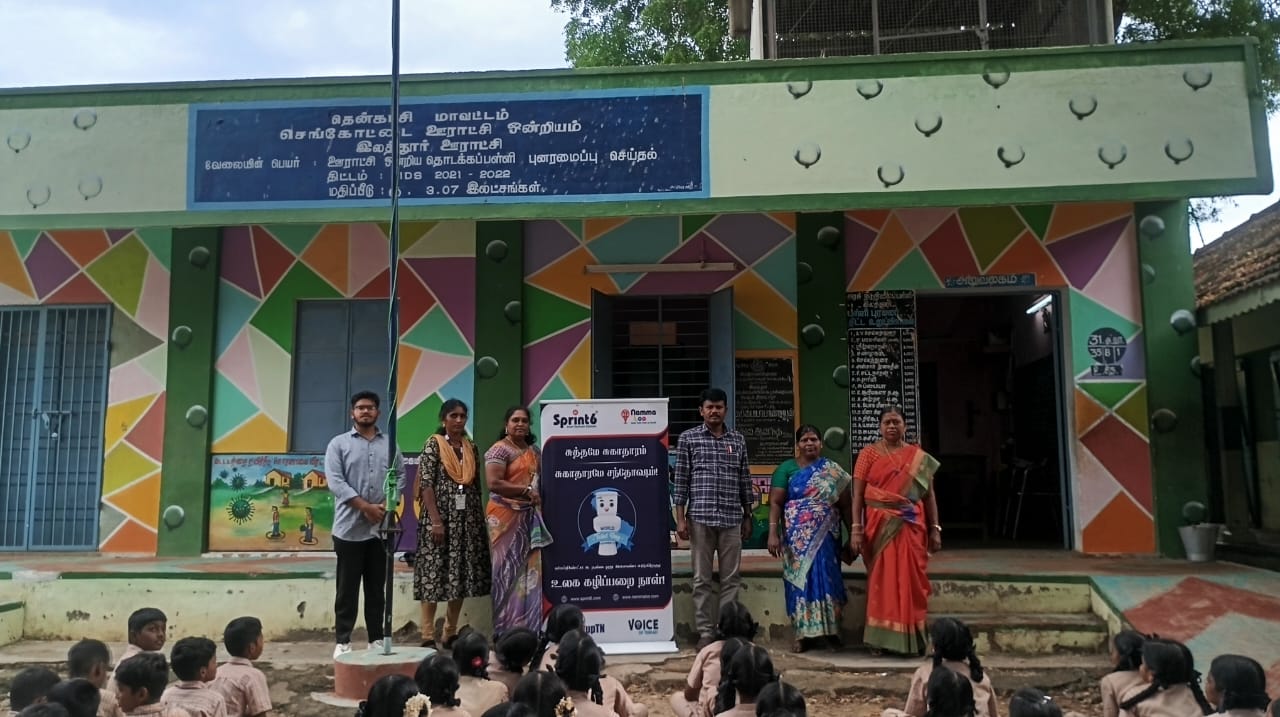
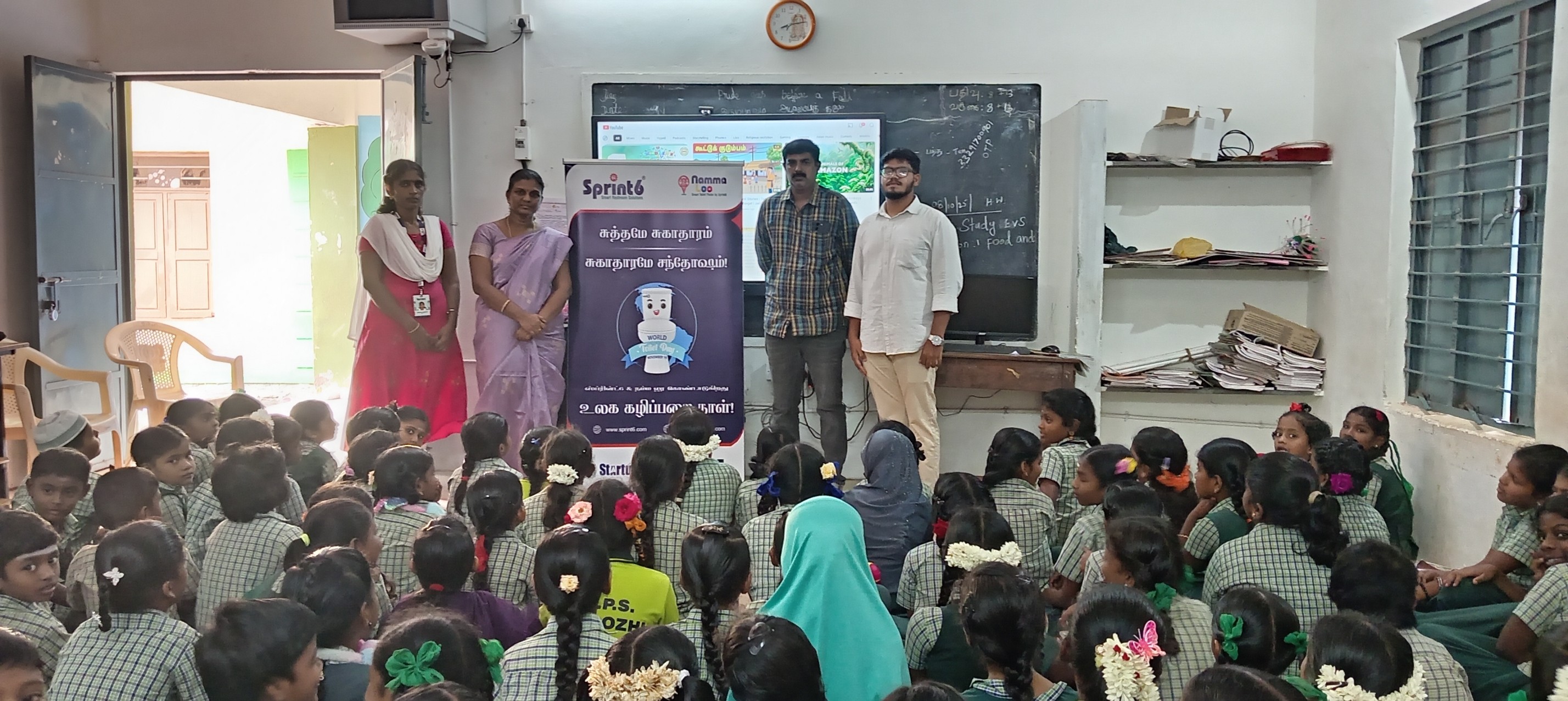
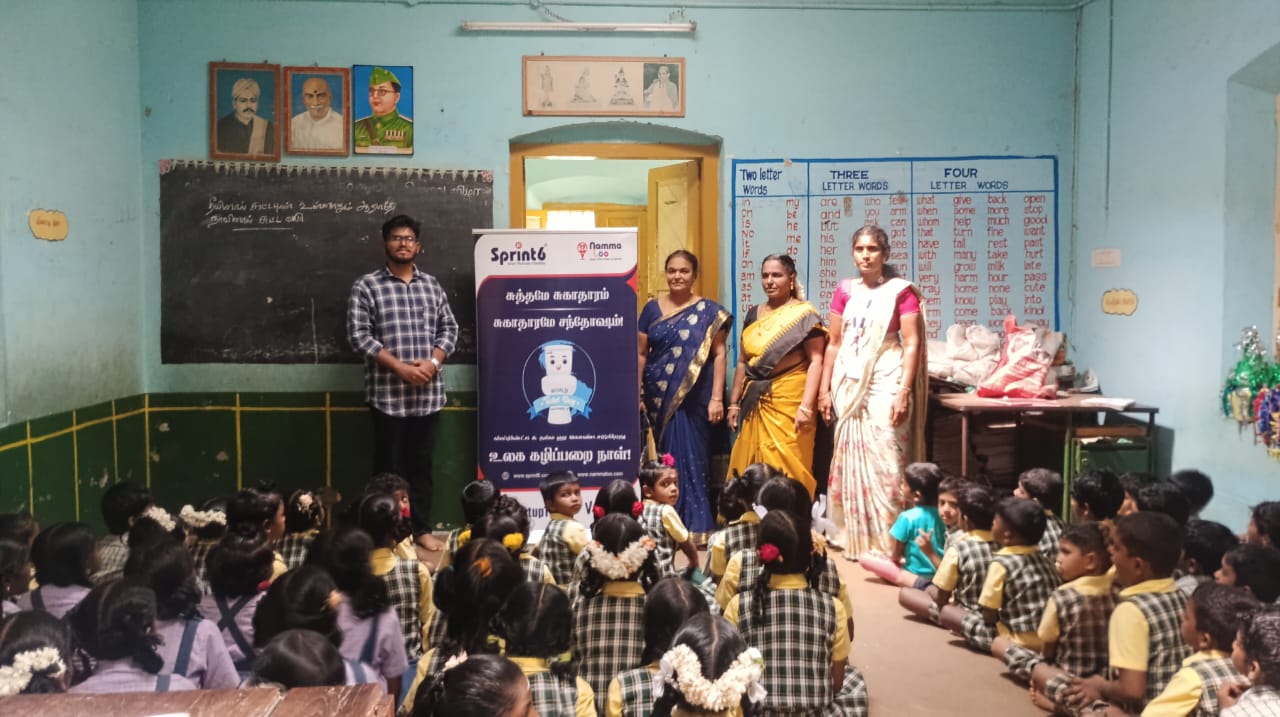
Toiletalk concluded yet another impactful session at I C Eswaran Pillai Primary School, where 500 students and 30 teachers took part in the comprehens...
The Toiletalk awareness team visited Government Middle School,Ilathur, engaging around 350 students and 20 teachers in an interactive hygiene learning...
Panchayat Union Primary School, Toiletalk connected with 250 students and 10 teachers, spreading the message of clean habits and responsible hygiene. ...
ToileTalk is more than a campaign — it's a cultural movement
Every person deserves access to safe and hygienic sanitation, regardless of age, gender, or location.
Talking about toilets and hygiene becomes as natural as discussing education, health, or nutrition.
Cleanliness is a consistent, conscious practice, not an occasional reminder.
From schoolchildren to professionals, every citizen actively participates in maintaining hygiene.
True progress goes beyond building infrastructure. It comes through conversation, care, and consciousness, fostering a culture of dignity, pride, and collective responsibility.
By cultivating awareness and ownership, ToileTalk turns sanitation into a movement that transforms behavior and communities.
Change begins with dialogue. Toiletalk invites students, teachers, corporates, governments, and communities to be part of this transformation.
Let's make every restroom a reflection of who we are: clean, conscious, and compassionate.
Break the silence. Build dignity — one toilet, one conversation, one community at a time.
Break the Silence